Blog
Google Discover Optimization: The Interest-Graph Traffic Most Marketers Miss
May 28, 2026 · 9 min read
Most marketers obsess over Google Search. They research keywords, optimize title tags, and build backlinks. Meanwhile, Google Discover is sending content to over 800 million devices every day based on something entirely different: interest graphs.
Discover does not match keywords. It matches interests. A user who has been searching for home renovation topics, watching YouTube videos about small businesses, and reading articles about marketing automation will see your article about "DIY Marketing for Home Service Businesses" in their Discover feed — even if they never searched for those exact keywords.
After the February 2026 core update, Google expanded Discover's reach and refined its content quality signals. Three of our 52 network sites began appearing in Discover consistently. One site received more Discover traffic in a single week than its entire month of organic search traffic.
How Discover Differs From Search
Google Search is reactive. Users have a question, they search, they click a result. The intent is explicit.
Google Discover is proactive. Google predicts what a user wants to read based on their behavior patterns, and surfaces content before they search for it. The intent is inferred.
This fundamental difference means that Discover optimization requires different strategies than Search optimization:
| Signal | Search | Discover |
|---|---|---|
| Primary ranking factor | Keywords + backlinks | Interest relevance + engagement |
| User intent | Explicit query | Inferred interest |
| Content freshness | Mixed (depends on query) | Strong recency bias |
| Image importance | Low-medium | Critical |
| Click-through optimization | Title + meta description | Title + hero image + emotional appeal |
The Interest Graph Explained
Google builds an interest graph for every user based on:
- Search history — queries across all Google products
- YouTube watching — topics and channels watched
- Chrome browsing — pages visited (for opted-in users)
- Location — geographic relevance signals
- App usage — Google Play activity on Android
- Previous Discover engagement — what the user clicked, read, or swiped past
This graph is continuous — it evolves with every interaction. A user who starts researching "how to start a business" today will see progressively more entrepreneurship and marketing content in their Discover feed over the following weeks.
For marketers, this means your content does not need to match a specific keyword. It needs to match a topic cluster that your target audience is interested in. If your target audience is researching small business marketing, your article about affordable marketing strategies will surface in their Discover feeds based on topical relevance, not keyword matching.
Post-February 2026 Core Update Changes
The February 2026 core update expanded Discover in several ways:
Broader content eligibility. Previously, Discover favored news-style content and major publications. The update expanded eligibility to more evergreen content from smaller publishers. This is significant for small business sites and niche blogs.
Improved engagement signals. The update refined how Discover measures content quality. Click-through rate alone is no longer sufficient — dwell time, scroll depth, and subsequent engagement (clicking through to related content) now factor more heavily. This penalizes clickbait and rewards genuinely useful content.
Web Stories expansion. Web Stories receive even more prominent placement in the post-update Discover, with larger carousel cards and extended display duration.
Optimization Strategies for Marketers
Emotional-But-Specific Headlines
Discover headlines need to generate emotional engagement without being misleading. The sweet spot is headlines that make a specific, verifiable claim with emotional framing:
- Effective: "How I Replaced My $2,000/Month Marketing Agency With $20 in Tools"
- Ineffective: "You Won't Believe How Cheap Marketing Can Be"
- Effective: "The 5 Free Tools That Made Our Client's Marketing Agency Obsolete"
- Ineffective: "These Tools Are Changing Marketing Forever"
The pattern is: specific outcome + implied benefit + constraint or surprise. Specificity bypasses Discover's clickbait filters while still generating the curiosity that drives clicks.
Hero Image Requirements
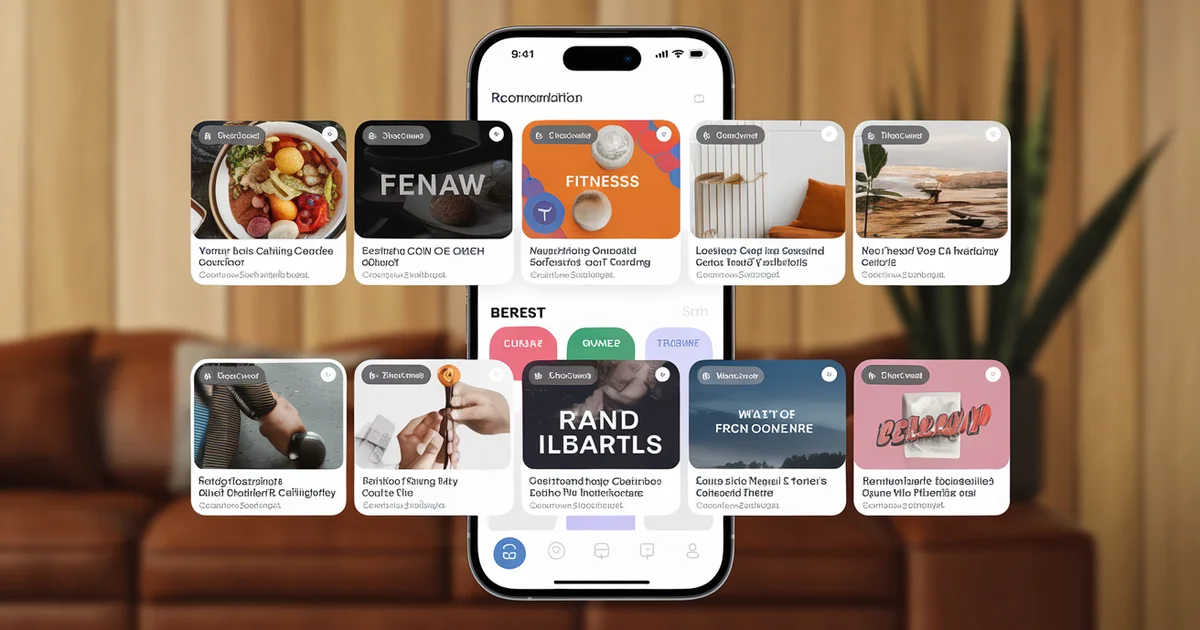
Discover displays content as visual cards. The hero image is the dominant element — it determines whether users tap. Requirements:
- Minimum 1,200 pixels wide (Google's documented requirement)
- High quality and original — stock photos that users have seen before perform poorly
- Relevant to content — Discover evaluates image-content relevance
- Enabled with meta tag:
<meta name="robots" content="max-image-preview:large">
Without the max-image-preview:large tag, Google may not show your image in Discover, which dramatically reduces click-through rates. This single meta tag is the most common reason sites are not appearing in Discover.
Topical Authority
Discover rewards sites that demonstrate consistent expertise in a specific topic area. Sites with 15+ articles on a focused topic cluster are significantly more likely to appear in Discover than sites with scattered content across many topics.
For a marketing agency site, the topic cluster might include:
- DIY marketing tools
- Marketing budget optimization
- Small business marketing automation
- Marketing agency alternatives
- ROI measurement for small businesses
Publishing consistently within this cluster signals to Discover that your site is an authority on the topic, which increases the likelihood of your content being surfaced to users interested in that cluster.
Freshness and Updates
Discover has a strong recency bias for news and trending topics, but evergreen content can also appear if it matches a user's current interest. To maximize freshness signals:
- Update high-performing articles quarterly with new data
- Set
lastmoddates in your sitemap when making meaningful updates - Republish updated articles with visible update dates
- Create timely content when relevant events occur in your niche
Web Stories for Premium Placement
Web Stories get a dedicated carousel in Discover — larger cards, more prominent placement, higher visibility than standard articles. Creating a Web Story version of your top content gives you access to this premium placement.
Use makestories.io to create 10-15 page visual stories that summarize your best articles. Each slide should contain one key data point or insight with a visually engaging background. The final slide links to your full article.
Technical Implementation
The complete Discover optimization checklist for marketers:
-
Add meta robots tag to every page template:
<meta name="robots" content="max-image-preview:large"> -
Ensure hero images are 1,200px+ wide and optimized (AVIF/WebP with JPEG fallback)
-
Add author schema with credentials to every article:
{ "@type": "Person", "name": "J.A. Watte", "jobTitle": "Marketing Strategist", "url": "https://the20dollaragency.com/about" } -
Verify topic clustering — focus content on 2-3 related clusters
-
Set up Discover reporting in Google Search Console (Performance > Discover)
-
Create Web Stories for top 5 articles
-
Rewrite headlines using the emotional-but-specific pattern
Monitoring Discover Performance
Google Search Console provides a dedicated Discover performance report. Key metrics:
- Impressions — how often your content appeared in Discover feeds
- Clicks — how many users tapped on your content
- CTR — click-through rate (4-12% is typical; below 4% suggests headline/image issues)
Discover traffic is inherently variable. You may see spikes on some days and nothing on others. Track weekly trends rather than daily fluctuations.
Results From Our Network
After implementing Discover optimization across the network:
- Three sites began appearing in Discover consistently within 4 weeks of implementing
max-image-preview:large - The highest-performing Discover appearance generated more traffic in one day than a typical week of organic search
- Web Stories outperformed standard articles in Discover by approximately 5x in impressions
- Headlines rewritten to the emotional-but-specific pattern saw 2.5x higher CTR in Discover
Total implementation time: 2 hours per site for the full optimization, including meta tag, headline rewrites, and image verification.
Google Discover is not a channel you can control. You cannot buy placement, and results are variable. But for a channel that reaches 800 million devices and requires zero advertising spend, optimizing for it is among the highest-ROI marketing activities available.
For the complete marketing optimization strategy at minimal cost, see The $20 Dollar Agency and The $100 Dollar Network.
